
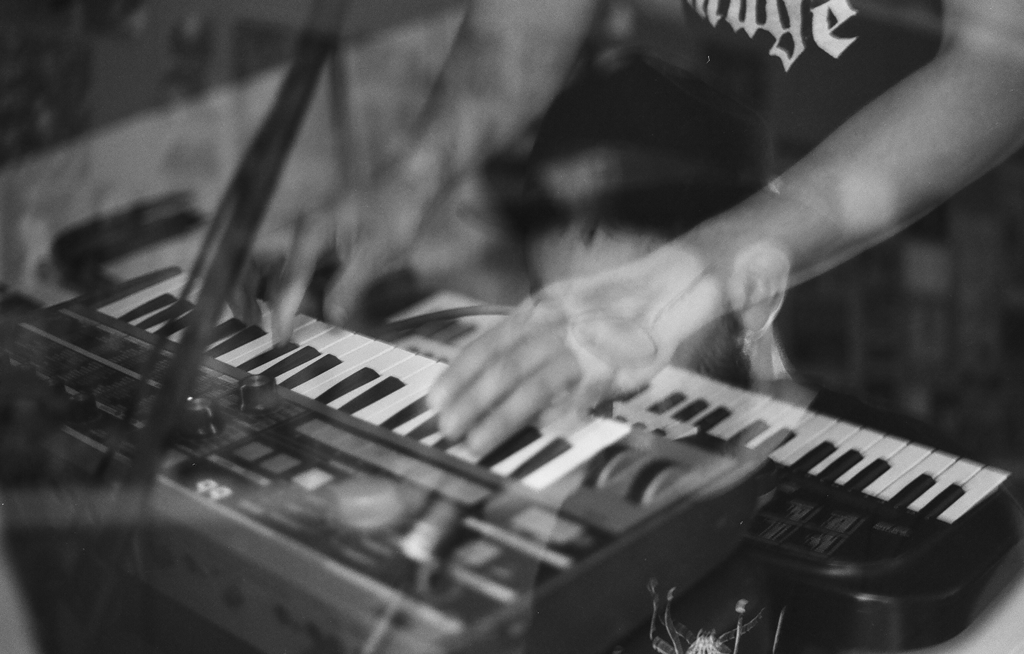
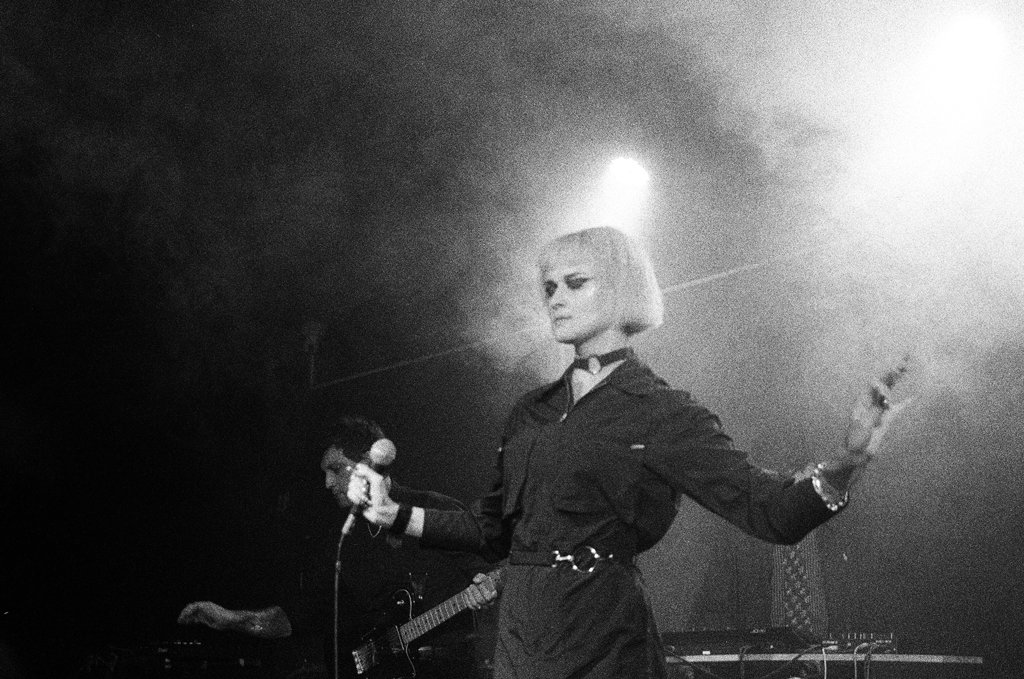
El ejercicio fotográfico desde los medios analógicos supone una particular experiencia creativa. El trabajo manual, la forma como se ritualiza lo cotidiano, la colectivización de la práctica, los límites técnicos, los hábitos insanos, cada paciente espera, son sólo algunos de los asuntos que envuelven de una singular mística al ejercicio mismo.
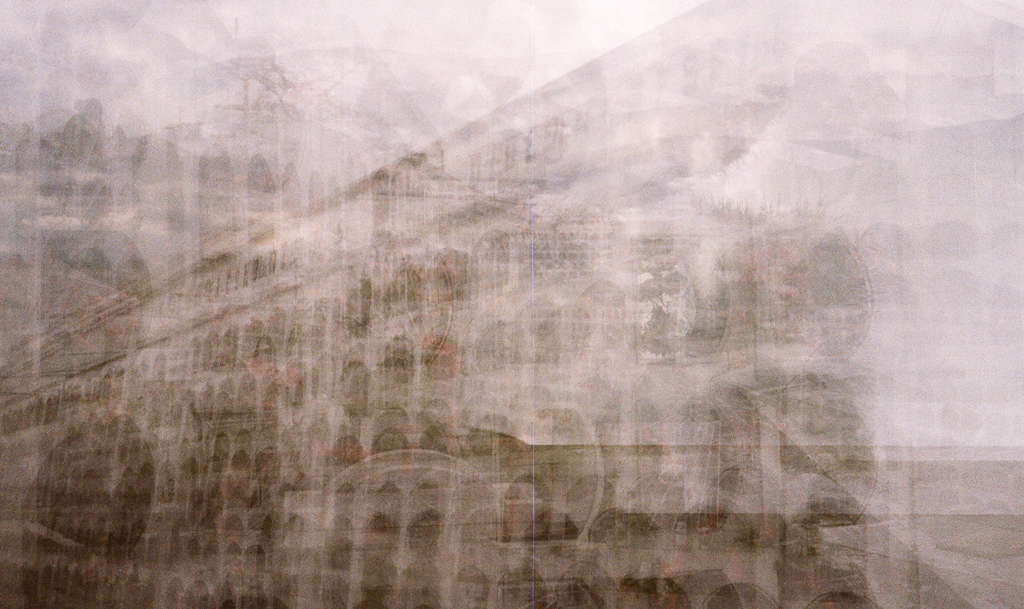
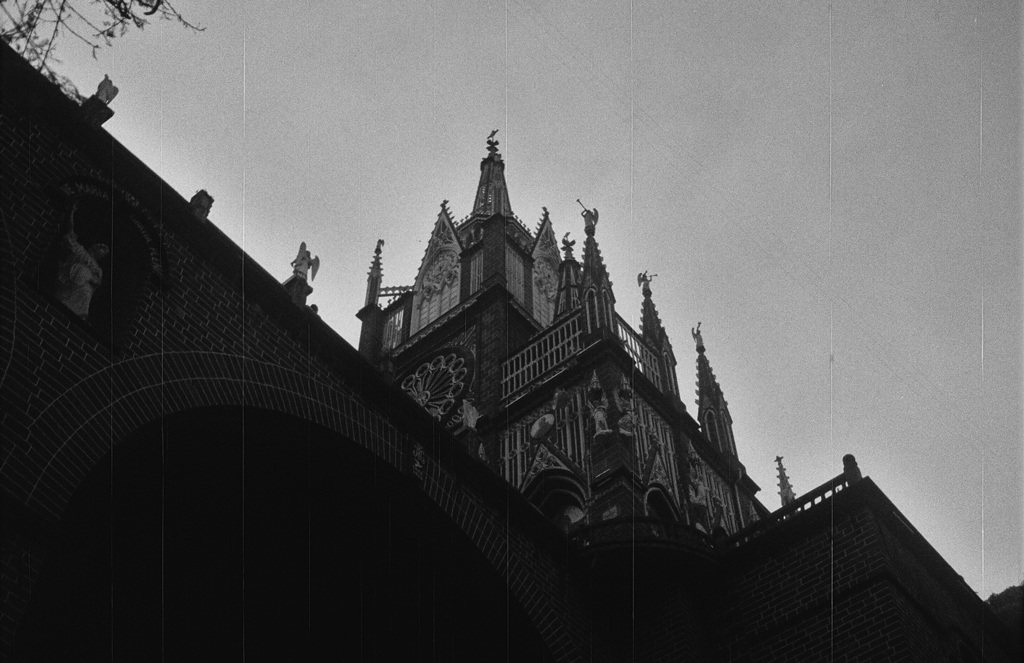
Moirologhia* es un acercamiento analógico a los cantos fúnebres de nuestros días, a los sonidos de nuestra vida en fuga: lamentos, olas frías, ruidos lejanos, paisajes inertes, inflexiones del espíritu. Y luego el silencio. El olor de las astromelias. La muerte y sus arquitecturas. Los dos metros de tierra que necesitaba Pajom. Este registro —en construcción— pone en diálogo dos series que beben de un mismo fervor: el culto a lo marchito, y la irremediable nostalgia que arrastra.
*Moirologhia es un lamento o treno que cantan las mujeres del Peloponeso alrededor del féretro o la tumba del difunto.
The photographic exercise from analogue medium implies a particular creative experience. The handwork, the way of ritualizing the everyday, the collectiveness of the practice, the technical limits, the unhealthy habits, each patient wait, are a few of the matters that involve with a singular mystic the exercise itself.
Moirologhia* is an analogue approach to the funeral songs of our days, to the sound of our life in fugue: mornings, cold waves, distant noises, inert landscapes, spiritual inflections. And then the silence. The smell of alstroemeria. Death and its architecture. Two meters of earth that Pajom needed. This record -under construction- puts in a dialogue two series that drink of the same fervor: the cult of withered and the irremediable nostalgia that drags.
*Moirologhia is a lament that sang the women in Peloponeso around the fereter or grave of the defunct

Galería Madrastra
Downtown Bogotá